

A Shift in Materials
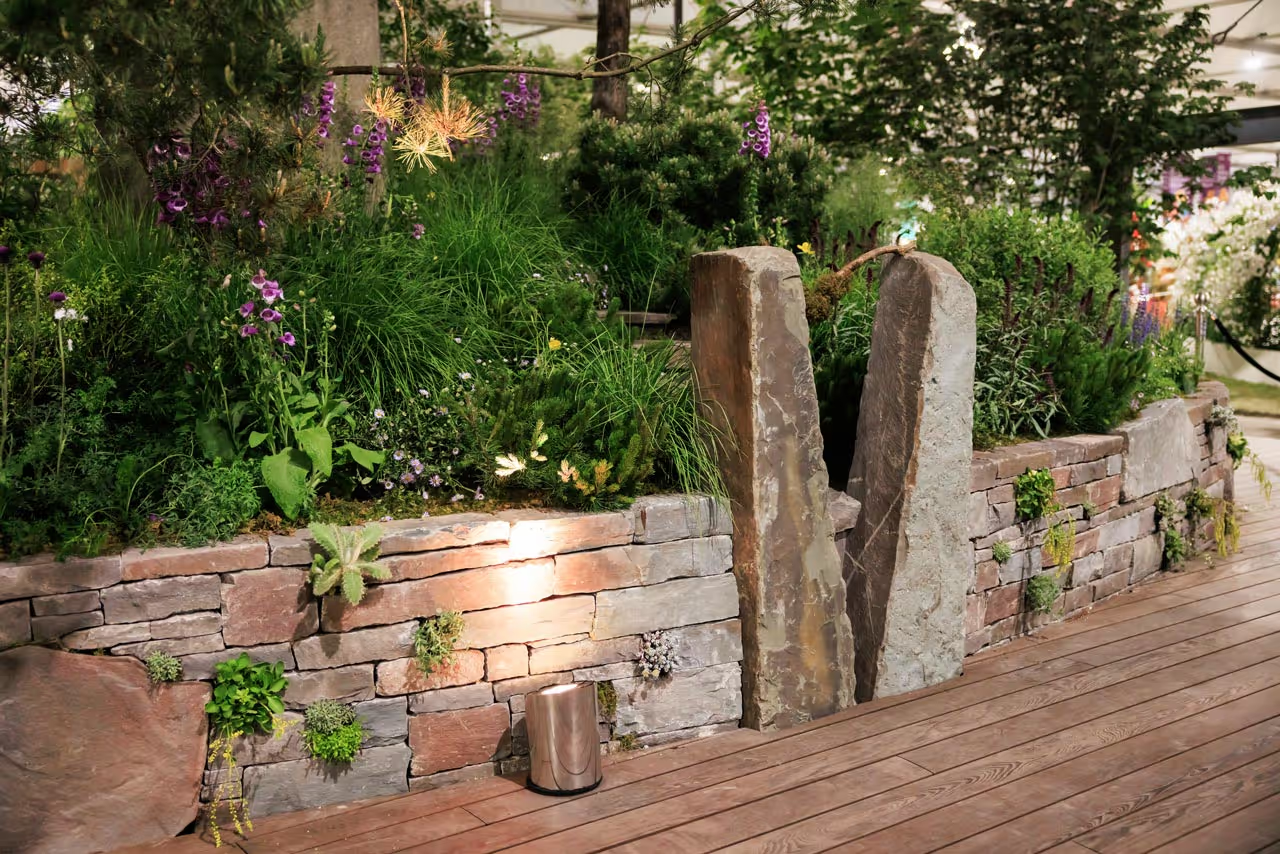
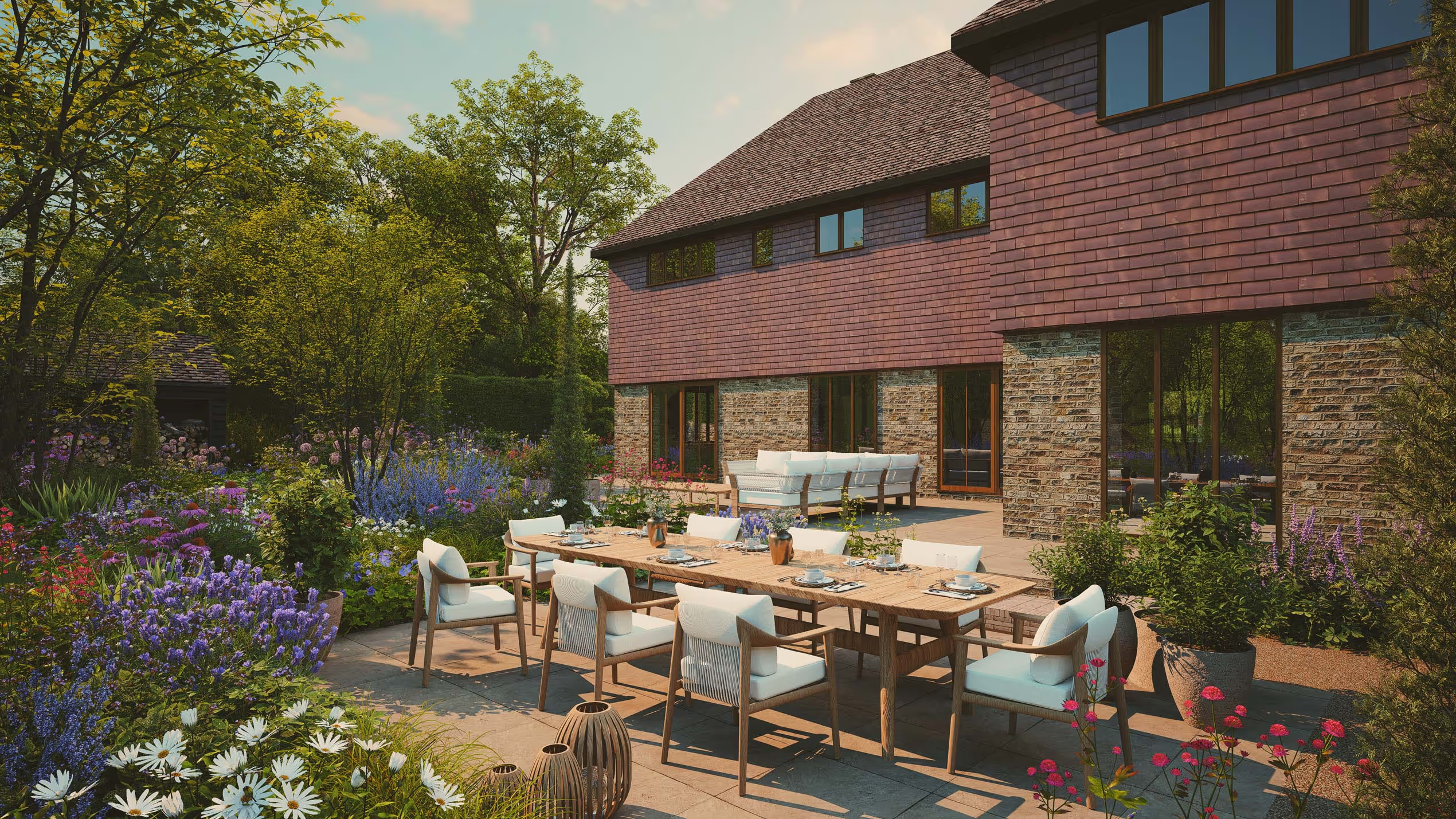
When we first started out in 2017, composite decking and porcelain paving were the dominant requests. Fast forward to today and the conversation has shifted noticeably. More clients are arriving to initial consultations with mood boards full of natural stone, reclaimed brick, weathered timber, and gravel paths.
It's not just aesthetic — it reflects a broader shift in how people think about their gardens and the materials they want in them.
Why Natural Stone?
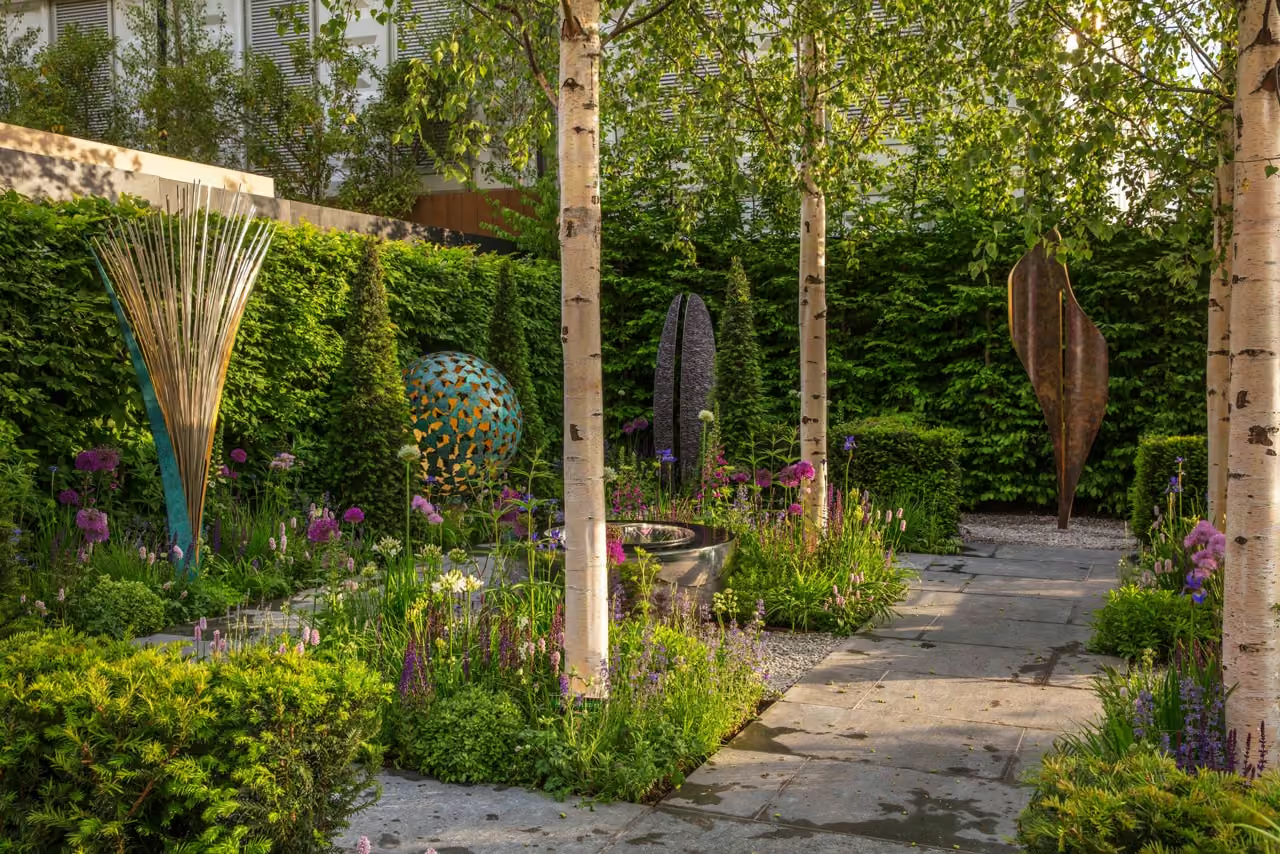
Natural stone — whether sandstone, limestone, or granite setts — ages in a way that manufactured products simply can't replicate. It gains character over time, works with the surrounding landscape, and tends to complement period properties far more sympathetically. It also tends to hold its value. When we complete a project in natural stone, it adds to the property in a way that's immediately legible to any prospective buyer.
The Sustainability Angle
Reclaimed materials have picked up significantly. Reclaimed York stone, old bricks, salvaged timbers — clients are actively seeking these out, both for the look and for the reduced environmental footprint. We've built some of our most distinctive projects using materials sourced from demolition salvage yards, skips, and local farm clearances.
There's also growing interest in permeable surfaces — gravel, resin-bound paths, and grasscrete — which manage surface water more naturally and reduce the hard runoff that puts pressure on drainage systems.
What This Means for Your Project
If you're planning a landscaping project in 2025 and want it to look and feel considered, talk to us about materials early. Lead times on quality natural stone can be long, and sourcing reclaimed materials takes time — but the results are worth it every time.
Related Posts