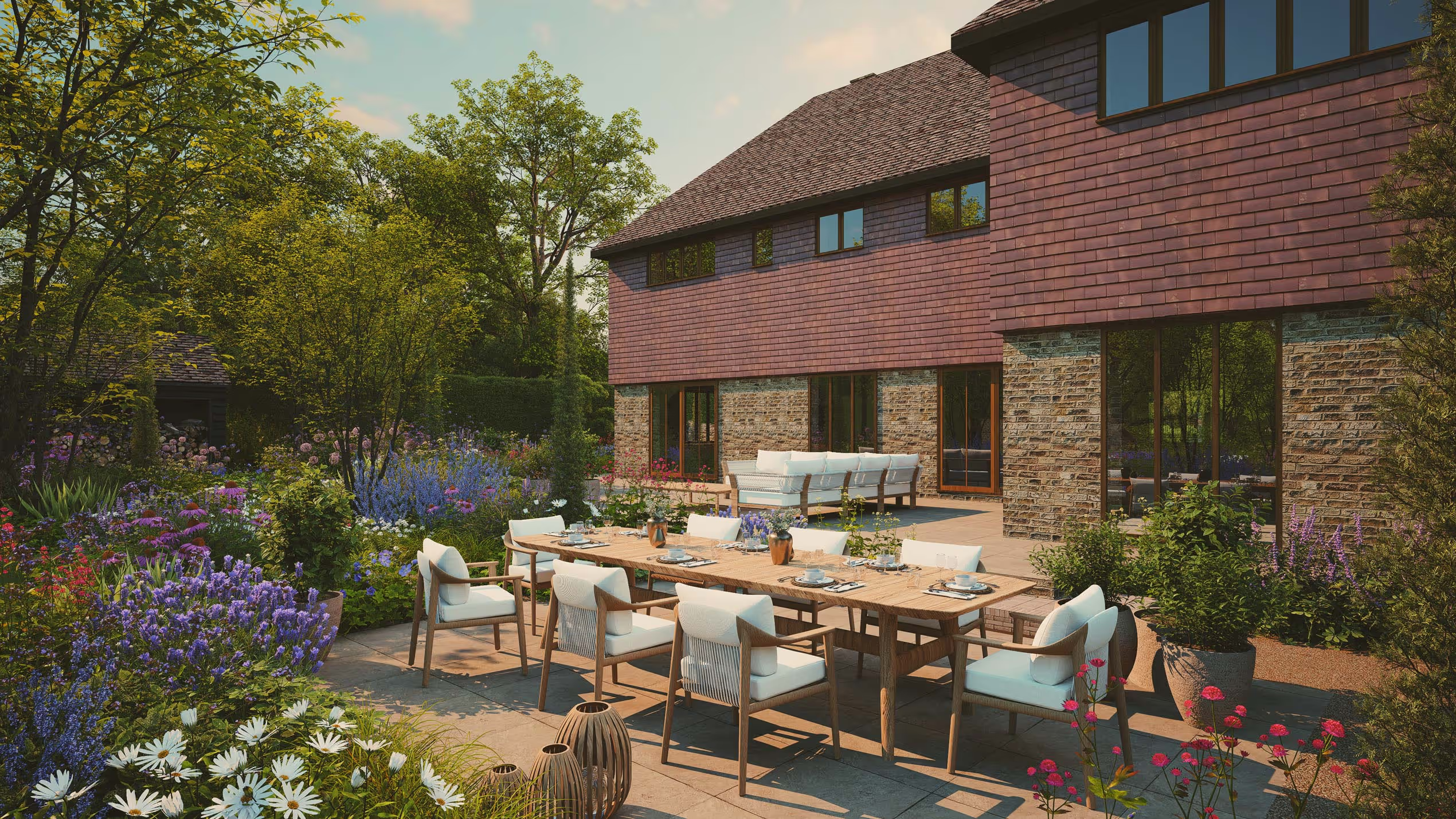


A new patio looks impressive on the day it is laid. The real test comes after a hot Surrey summer. Sub soils, particularly clay, have been our industries biggest issue this year with record numbers of well documented project failures, all because of the bases used over clay. That is why choosing landscape gardeners Surrey homeowners can rely on with a track record and access to this information is about far more than selecting materials or finding the lowest estimate. It is about bringing together thoughtful design, sound groundwork, skilled construction and horticultural knowledge to create a garden that feels right and continues to mature as intended.
For many properties across Surrey, the garden is an extension of the home. It may need to provide a calm view from a home office, a practical space for children, somewhere to eat with friends or a setting that gives an older home the presence it deserves. Achieving all of that begins with looking carefully at the site, rather than rushing towards a fashionable finish on a cheap base.
The strongest projects start with a proper understanding. Before decisions are made about paving, fencing or planting, a landscape team should understand how you want to live outside and what is making the current garden difficult to enjoy.
A sloping garden may need discreet retaining, carefully designed levels and steps that feel natural underfoot. A compact town garden may benefit from built-in seating, vertical planting and clear sightlines rather than too many features competing for attention. A larger rural plot may call for structural tree planting, improved access and a scheme that settles comfortably into its surroundings.
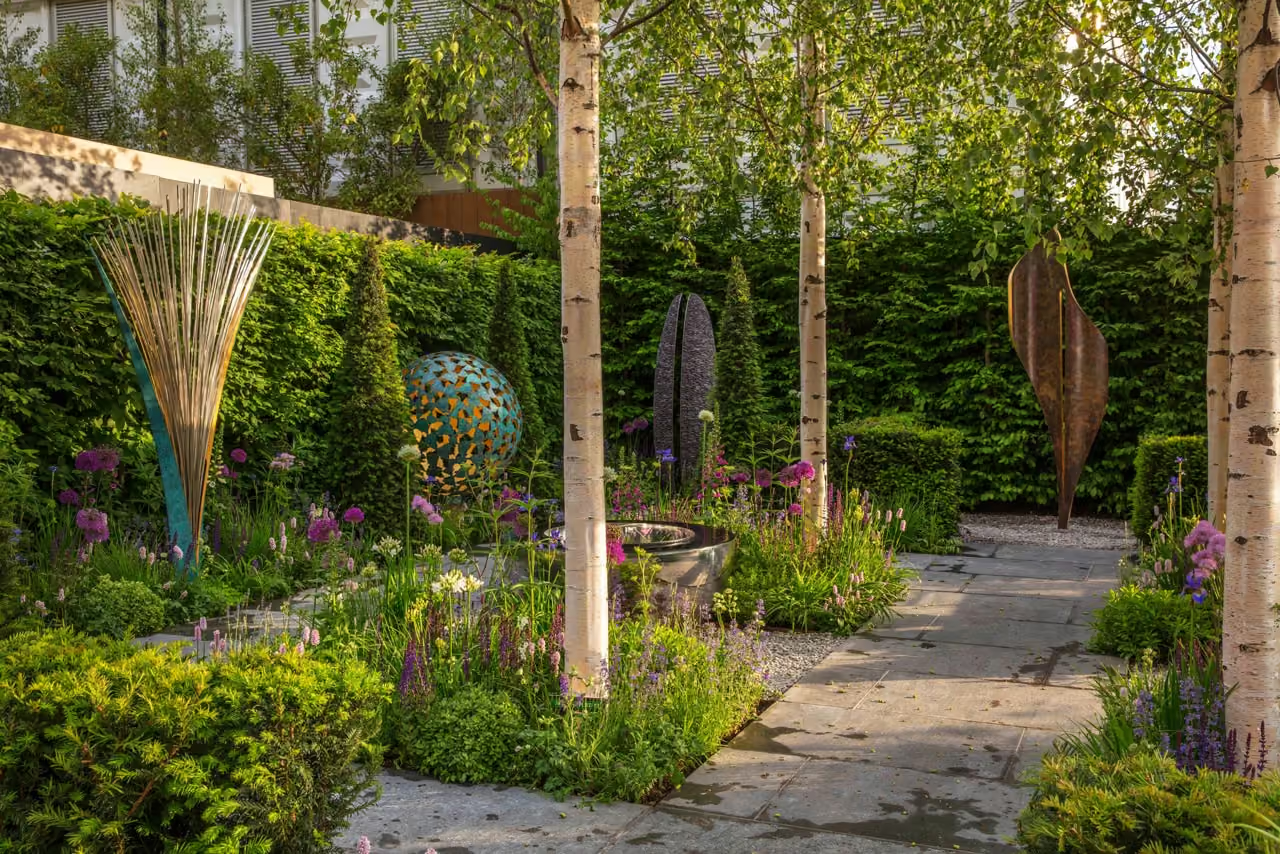
There is no single formula. A formal garden with clipped topiary can be wonderfully appropriate for one home, while another needs looser planting that supports pollinators and softens a contemporary terrace. Good advice should explain the practical implications of each choice, including the maintenance it will require. A garden should suit your appetite for care as well as your taste.
It is also worth discussing constraints early. Mature trees, drainage routes, access for machinery, changes in level and existing services can all affect both the design and the build. Addressing them at the outset helps avoid expensive alterations once work has begun.
Groundworks establish the levels, falls and foundations that protect a garden from standing water, movement and premature failure. The specification will vary according to soil type, drainage conditions, the chosen surface and how the area will be used. A pedestrian path and a driveway have very different structural requirements. Likewise, porcelain, natural stone, gravel and clay pavers each need appropriate installation methods and detailing.
In Surrey, soil conditions can change markedly from one property to the next. Clay ground may hold water and move with seasonal moisture changes, while sandy areas can drain freely but need a different approach to soil improvement and planting. A contractor who assesses the site rather than applying a standard solution is far more likely to produce a lasting result.
Drainage deserves particular attention. Water should be directed away from buildings and managed responsibly within the garden wherever possible. This may involve falls across paving, channel drainage, permeable surfaces, soakaways or carefully shaped planting areas. The right answer depends on the site. What matters is that it is planned as part of the whole garden, not added when puddles appear.
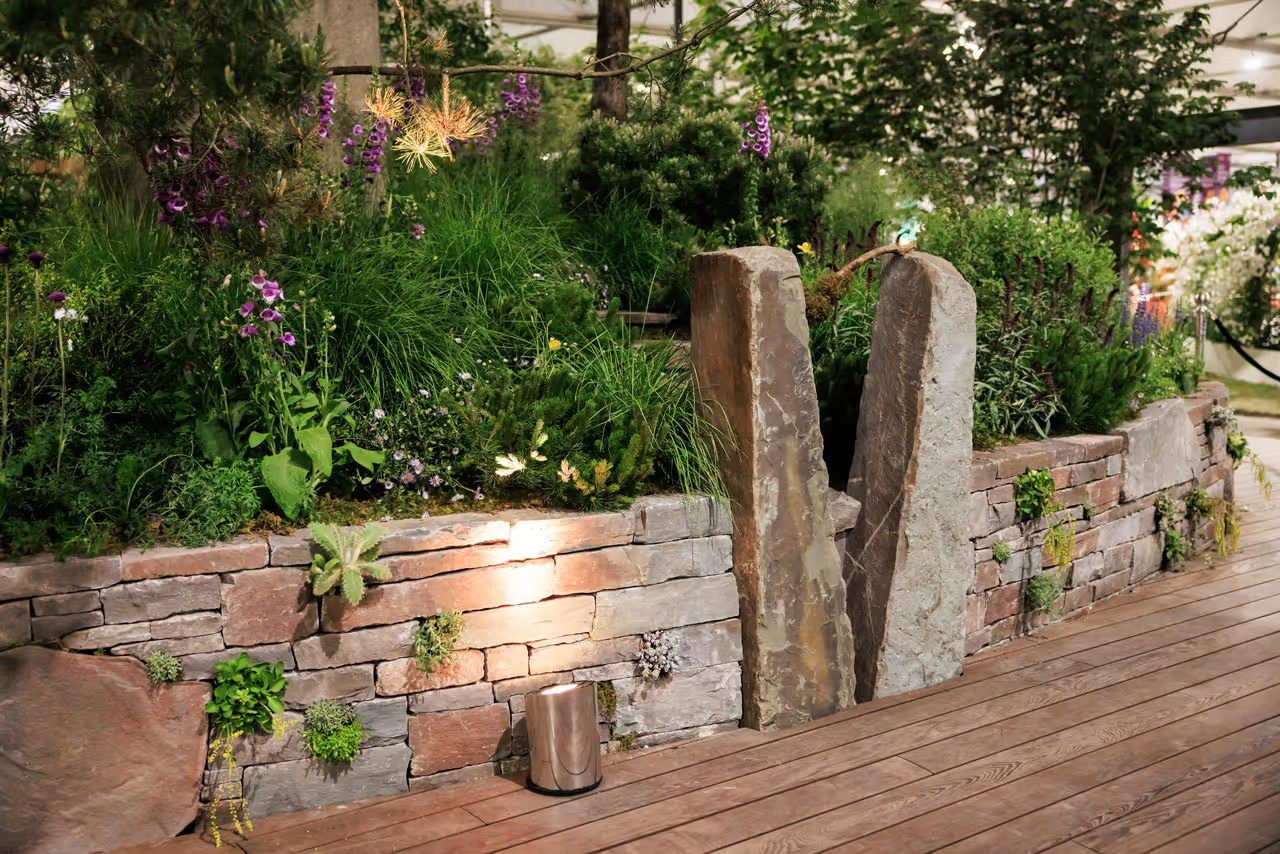
Brickwork, retaining walls, steps and raised beds also need more than an attractive face. Their foundations, drainage provision, coping details and relationship to surrounding levels determine whether they remain crisp and secure over time. Ask how these details will be handled, and expect a clear answer.
Hard landscaping gives a garden structure, but planting gives it life. Treating it as a final decorative layer often leads to beds that look sparse at first, become crowded later or struggle in the conditions available.
So why are projects over clay failing? In the summers we are now having, prolonged periods of extreme heat and drought are resulting in the clay drying out, shrinking, cracking and put simply, taking the patios above with them. A comprehensive understanding of current British Standards is essential when selecting your contractor. With this, so is the specification of the correct bases for your garden and soil types. If you'd like to know more or need some specific advice, tailored to your garden, please get in touch.
Related Posts